
|
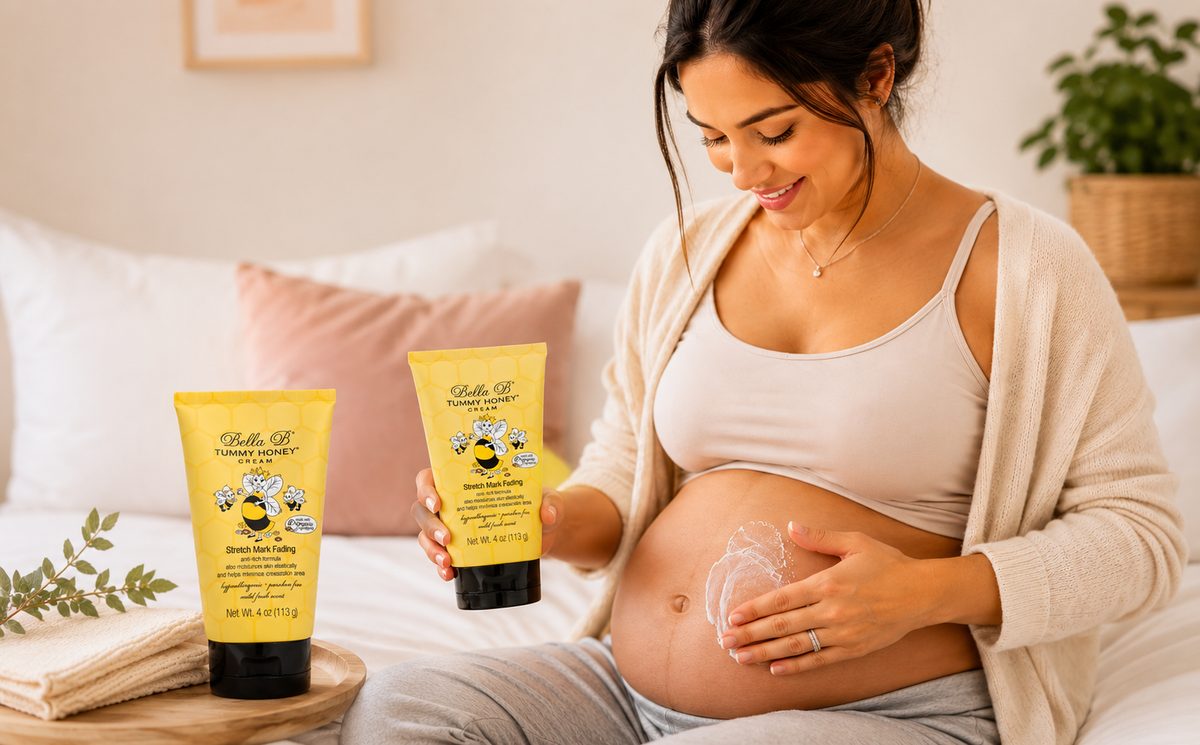
Stretch mark cream cannot guarantee prevention or full removal, but a good stretch mark moisturizer can keep skin hydrated, softer, and more comfortable as it stretches. Genetics, hormones, and how fast your skin expands still decide whether marks form; no cream overrides that. Used consistently and started early, a pregnancy stretch mark cream is best understood as supportive skin care, not a guarantee. |
Stretch marks during pregnancy are influenced by genetics, hormones, skin stretching, and how quickly your body changes. A good stretch mark cream can support comfort and suppleness, especially with consistent use, but no topical product fully controls how your skin responds. If you are pregnant, newly postpartum, or planning ahead, the honest answer is this: a pregnancy stretch mark cream works best as supportive skin care, not a magic eraser.
Quick Summary
|
Question |
Simple Answer |
|
Does stretch mark cream work? |
It may help with moisture, softness, tightness, and itching, but it cannot guarantee prevention. |
|
Can cream remove stretch marks? |
No cream can fully erase stretch marks, especially older white or silvery marks. |
|
When should you start using it? |
Many moms start in the first or early second trimester, before the belly grows quickly. |
|
What should you avoid? |
Retinol and other retinoids are generally avoided during pregnancy. |
|
What matters most? |
Consistency, moisture support, gentle massage, and realistic expectations. |
What Are Stretch Marks?
Stretch marks, also called striae, are streak-like lines that appear when skin stretches quickly. During pregnancy, they commonly show up on the:
- Belly
- Breasts
- Hips
- Thighs
- Buttocks
They may look red, pink, purple, or brown at first, then gradually fade to a lighter or silvery tone. Stretch marks are common in pregnancy, especially in the later stages, and they often fade over time but may not disappear completely. They are not dangerous and not a sign that anything is wrong with your body; they're simply how skin responds to rapid growth and hormonal change.
Why Do Stretch Marks Happen During Pregnancy?
Pregnancy stretch marks happen because skin stretches while the body is also going through hormonal shifts. The dermis, the skin's deeper layer, contains collagen and elastin fibers that keep skin firm and flexible. Skin elasticity depends on those fibers staying intact. When skin stretches faster than collagen and elastin can adapt, small tears form beneath the surface, and that's what shows up as a stretch mark once it heals.
According to the American Academy of Dermatology, stretch marks develop when skin stretches or shrinks quickly, rupturing the collagen and elastin that support it.
Several factors raise the chance of stretch marks in pregnancy:
- Family history of stretch marks
- Rapid belly or breast growth
- Higher or faster pregnancy weight gain
- Younger maternal age
- Hormonal changes that affect skin elasticity
- Previous stretch marks before pregnancy
This is why two moms can use the same pregnancy stretch mark cream and get very different results. One may develop only faint marks, another may see deeper lines even with consistent moisturizing.
So, Does Stretch Mark Cream Work?
Yes, but with realistic expectations.
A stretch mark moisturizer may help by keeping skin hydrated, reducing dryness, soothing tight or itchy skin, and supporting the feeling of elasticity. That can make skin more comfortable as it stretches. What it cannot do is guarantee full prevention or completely erase existing marks.
The NHS states that some creams claim to remove stretch marks once they've appeared, but there's no reliable evidence they work, and evidence for prevention is limited too.
That doesn't make a pregnancy belly cream useless. It means it should be understood correctly: most useful as part of a daily skin comfort routine, not as a guaranteed treatment.
What Stretch Mark Cream Can and Cannot Do
|
Stretch Mark Cream May Help With |
Stretch Mark Cream Cannot Do |
|
Dryness and tightness |
Guarantee stretch mark prevention |
|
Belly itching caused by dry skin |
Remove deep or older stretch marks |
|
Skin softness and comfort |
Reverse genetics |
|
Moisture barrier support |
Work overnight |
|
A calming belly care routine |
Replace dermatology treatments |
A good body moisturizer for pregnancy supports the skin you have; it can't fully control how pregnancy changes that skin.
What the Research Says About Stretch Mark Creams
The research on stretch mark prevention is mixed. A review of the evidence covering topical preparations found no statistically significant difference in stretch mark development between women using active-ingredient creams and those using a placebo, according to a summary of the Cochrane evidence in the British Journal of General Practice.
The AAD also notes that many popular remedies, including cocoa butter, olive oil, almond oil, and vitamin E cream, haven't been proven in studies to prevent stretch marks. That said, some evidence points to hyaluronic acid and centella asiatica as ingredients that may help support skin in certain cases, which is one reason you'll see them in newer collagen cream and stretch mark formulas.
The practical takeaway: choose a pregnancy-safe stretch mark cream that supports hydration, comfort, and skin barrier care. Don't expect any single ingredient to fully stop stretch marks from forming.
How Stretch Mark Cream Supports Pregnancy Skin
A good belly cream for pregnancy helps with the parts of skin care you can actually control.
- It reduces dryness. As the belly expands, skin can feel dry, tight, or flaky. A nourishing pregnancy cream helps lock in moisture and softens skin.
- It may help skin feel more supple. Well-moisturized skin often feels more flexible and comfortable. This doesn't stop all stretch marks, but it supports skin as it stretches.
- It calms pregnancy belly itch. Many moms experience itching as skin stretches. Regular moisturizing may reduce the dry, tight feeling that makes itching worse.
- It supports a consistent self-care routine. Pregnancy can feel overwhelming. A simple belly care routine gives you a few quiet minutes to care for yourself.
Why Results Vary From Mom to Mom
Results with any stretch mark lotion vary because every pregnancy and every skin type is different. Genetics, hormones, skin elasticity, weight changes, and how fast the belly or breasts grow all affect whether stretch marks appear.
Consistency matters too. A cream used occasionally won't give the same comfort benefits as one applied daily. Timing matters as well; newer red, pink, or purple stretch marks are usually easier to support than older white or silvery ones. Treatment can improve the appearance of stretch marks, but it usually doesn't make them disappear completely, and earlier marks generally respond better than older, deeper ones.
Pregnancy-Safe Ingredients That Support Stretching Skin
When choosing a stretch mark cream or belly butter, look for ingredients focused on moisture, comfort, and skin barrier support.
Shea Butter: Moisturizes dry skin and leaves stretching areas feeling softer. Its rich texture supports the skin's moisture barrier when the belly, hips, thighs, or breasts feel dry or tight.
Cocoa Butter: A rich moisturizing ingredient that softens and conditions dry skin, making stretching skin feel smoother and more nourished. Read our full breakdown in Does Cocoa Butter Help with Stretch Marks?
Aloe Vera: Soothes skin that feels dry, tight, itchy, or sensitive, especially useful once skin starts feeling uncomfortable.
Honey: Helps dry skin feel smoother and more moisturized, supporting a more conditioned feel in areas prone to tightness.
Olive Oil and Jojoba Oil: Condition dry skin and support a softer feel, especially useful in belly creams, butters, and oils made for gentle massage.
Hyaluronic Acid and Centella Asiatica: Some evidence suggests these two may offer modest support for skin already showing early stretch marks, though neither is a guaranteed fix. You'll increasingly see them alongside collagen cream formulas positioned for fading stretch marks.
Vitamin E Cream: A common ingredient in older-generation formulas. Research, including AAD and Mayo Clinic reviews, hasn't shown it reliably prevents or fades stretch marks on its own, but it's not harmful either.
Ingredients to Avoid During Pregnancy
Retinoids, including retinol, tretinoin, and adapalene, are commonly used for skin texture and collagen support outside of pregnancy, but they're generally avoided during it. The American College of Obstetricians and Gynecologists notes that topical retinoids are generally recommended to be avoided during pregnancy, even though absorption through skin is low.
For pregnancy-safe skincare, the safer approach is moisturizing, pregnancy-conscious ingredients, and asking your healthcare provider if you're unsure about a specific product.
When Should You Start Using Stretch Mark Cream?
The best time to start is before skin feels tight or itchy. Many moms begin in the first trimester or early second trimester, before the belly grows quickly. You don't have to wait until marks appear; once they've formed, cream is less likely to make a major visible difference. Starting early gives skin consistent moisture support during the months when stretching increases.
For a full trimester-by-trimester plan, see our guide on When to Start Using Stretch Mark Cream During Pregnancy.
How to Use Stretch Mark Cream During Pregnancy
Consistency matters more than using a large amount occasionally. Use your pregnancy belly lotion:
- Once or twice daily
- After a shower, when skin is slightly damp
- On the belly, breasts, hips, thighs, and lower back
- With a gentle circular massage
- Before bed, if skin feels tight or itchy at night
Don't scrub or pull at the skin; a soft massage is enough. The goal is comfort and moisture, not forcing product deeper.
What Makes the Best Stretch Mark Cream for Pregnancy?
The best stretch mark cream isn't the one with the longest ingredient list; it's the one you'll actually use twice a day, every day, for months. Look for a rich, non-water-based formula (butters and creams hold moisture longer than light lotions), pregnancy-safe ingredients, and a texture you don't mind massaging in daily. Many moms pair a maternity cream for daily moisture with a richer belly butter for extra-dry stretches; our Stretch Mark Cream, Belly Butter & Olive Oil Set covers both in one routine.
Do Stretch Marks Go Away After Pregnancy?
Postpartum stretch marks usually fade but may not fully disappear. Red, purple, or darker marks often lighten over time, and texture may soften, though some lines can remain visible.
Mayo Clinic explains that stretch marks often fade with or without treatment, but they may never completely disappear.
If postpartum stretch marks bother you, a dermatologist can discuss options such as laser therapy, microneedling, or prescription treatments. These are postpartum options and should be discussed with a qualified provider, especially if you're breastfeeding.
The Honest Bottom Line
A stretch mark cream is worth using if your goal is to keep pregnancy skin moisturized, comfortable, and cared for. It may reduce dryness, tightness, and itching while supporting skin as it stretches, but it shouldn't be sold as a miracle fix.
The most honest answer to “does stretch mark cream work” is this: it can support your skin, but it can't fully control stretch marks. Genetics, hormones, and rapid body changes still play the biggest role. Your skin is doing something incredible during pregnancy. Stretch marks are normal, common, and nothing to be ashamed of; a good belly cream simply gives your skin a little extra care while it does that hard work.
A Simple Belly Care Routine for Moms-to-Be
Keep it simple. Choose a moisturizing cream made for daily use during pregnancy, apply it consistently, and focus on comfort over perfection. For extra care, apply after a warm shower, when skin is slightly damp, and massage gently over the belly, hips, thighs, breasts, and lower back. Browse our full stretch mark cream to build a routine that fits your skin.
|
MEDICAL DISCLAIMER This article is for general skincare education and is not medical advice. If you have severe itching, a rash, irritation, or concerns about ingredients during pregnancy or breastfeeding, speak with your healthcare provider. |
